Metro Connectivity Impact on Dwarka Expressway Real Estate
Metro Connectivity Impact on Dwarka Expressway Real Estate
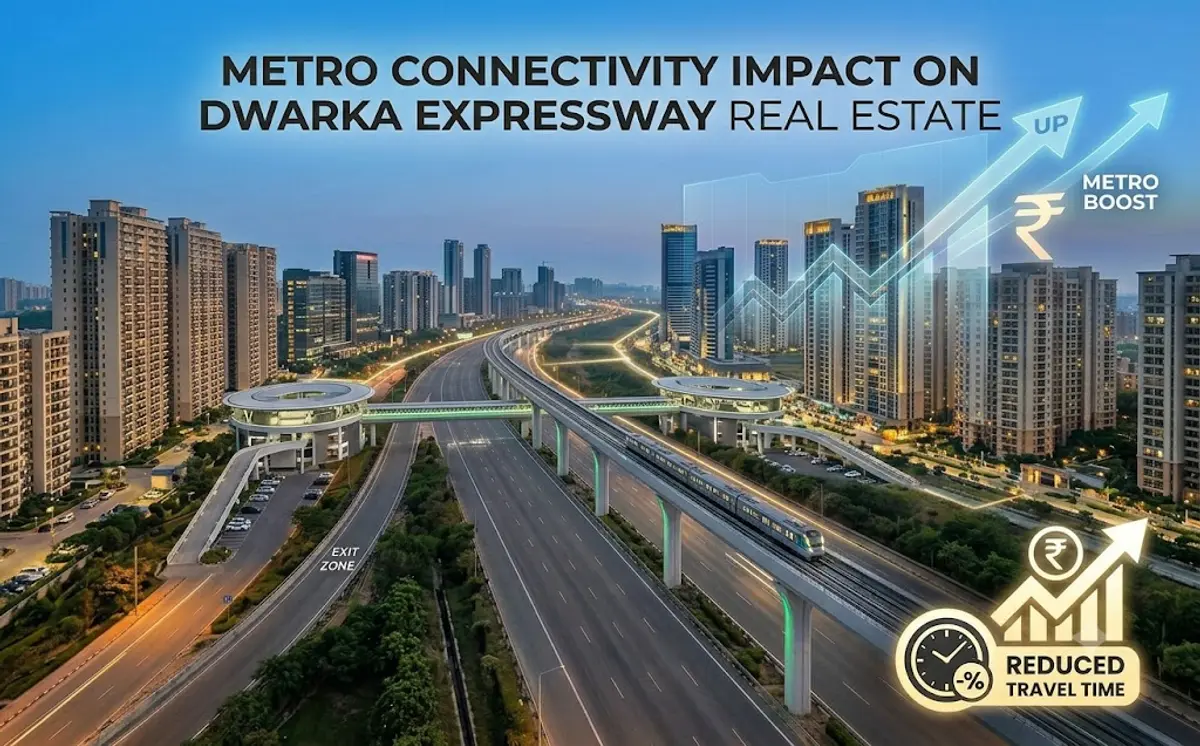
Infrastructure has always been one of the biggest drivers of real estate growth, and metro connectivity is no exception. Across India, locations connected by metro networks have witnessed higher demand, better accessibility, and stronger property appreciation. Dwarka Expressway is expected to benefit from the same trend as metro expansion plans continue to improve connectivity between Delhi and Gurgaon.
For homebuyers and investors, understanding the impact of metro connectivity can help make informed property decisions and maximize long-term returns.
Why Metro Connectivity Matters
A metro system significantly reduces travel time and provides reliable public transportation. People working in business districts prefer locations where daily commuting becomes easier and less dependent on road traffic.
As a result, residential projects near metro stations often experience increased buyer interest and stronger rental demand. Improved accessibility also attracts commercial establishments, creating a balanced ecosystem that supports long-term growth.
Improved Connectivity Between Delhi and Gurgaon
Dwarka Expressway already offers seamless road connectivity between Delhi and Gurgaon. The addition and expansion of metro infrastructure further strengthen this advantage by giving residents multiple transportation options.
Professionals working in Cyber City, Udyog Vihar, and other employment hubs can enjoy faster travel, making nearby residential projects more attractive. Better connectivity also benefits students, senior citizens, and daily commuters who rely on public transport.
Impact on Property Prices
One of the most noticeable effects of metro connectivity is property appreciation. Buyers generally place a premium on homes located close to metro stations because of convenience and reduced travel costs.
As metro accessibility improves along the Dwarka Expressway corridor, demand for residential and mixed-use developments is expected to increase. This growing demand can contribute to gradual price appreciation over the long term.
Premium projects located within easy reach of metro stations may witness stronger value growth compared to locations farther away.
Rental Demand Gets a Boost
Metro connectivity is equally beneficial for rental markets. Working professionals often prioritize homes with convenient access to public transport.
Properties near metro routes tend to attract more tenants, resulting in lower vacancy rates and potentially better rental yields. Investors purchasing apartments for rental income may therefore benefit from improved occupancy levels as connectivity expands.
Commercial Development and Business Growth
Metro infrastructure supports not only residential demand but also commercial expansion. Retail outlets, office complexes, restaurants, and service businesses prefer locations with high commuter footfall.
As commercial activity grows along Dwarka Expressway, employment opportunities increase, creating additional demand for nearby housing. This positive cycle contributes to the overall strength of the local real estate market.
Long-Term Investment Perspective
Real estate appreciation driven by metro connectivity usually occurs over several years rather than immediately. Investors with a long-term horizon often benefit the most as infrastructure projects become fully operational and surrounding areas mature.
For buyers planning to hold property for five years or more, metro-linked growth can significantly improve investment potential while enhancing overall quality of life.
Factors to Consider Before Investing
While metro connectivity is an important advantage, investors should evaluate several other factors before purchasing property.
Check the developer’s track record, legal approvals, project quality, and exact distance from planned or operational metro stations. Social infrastructure such as schools, hospitals, shopping centers, and parks also plays a key role in determining future demand.
A well-located project supported by multiple infrastructure developments generally offers better long-term prospects than relying on metro connectivity alone.
Conclusion
Metro connectivity is expected to play a major role in shaping the future of Dwarka Expressway real estate. Improved accessibility, stronger rental demand, commercial growth, and rising buyer interest can all contribute to long-term property appreciation.
Although market conditions may fluctuate in the short term, the combination of road infrastructure and expanding public transport positions Dwarka Expressway as one of the most promising investment destinations in the NCR region. Buyers who focus on quality projects and adopt a long-term approach are likely to benefit the most from this infrastructure-led transformation.
Frequently Asked Questions (FAQs)
1. How does metro connectivity affect property prices on Dwarka Expressway?
Metro connectivity improves accessibility and increases buyer demand, which can support long-term property price appreciation.
2. Is investing near a metro station on Dwarka Expressway a good idea?
Properties close to metro stations often attract higher demand from both homebuyers and tenants, making them attractive long-term investments.
3. Does metro connectivity improve rental income?
Yes, better public transport generally increases rental demand from professionals and students, helping improve occupancy rates.
4. Should metro connectivity be the only factor when buying property?
No. Buyers should also consider builder reputation, project quality, legal approvals, surrounding infrastructure, and future development plans before investing.